The Hidden Risk of Wooden and Plastic Cutting Boards — What Food Safety Specialists Recommend Instead
By Jennifer Walsh | Kitchen Science Investigator
27/02/2026
You rinse it after every use.
You scrub it thoroughly.
Sometimes you even wash it with hot water and soap.
So it should be clean… right?
Unfortunately, that’s not necessarily the case.
According to several food safety specialists, many cutting boards that look clean may still be holding dangerous bacteria.
And in some situations, those hidden microbes can transfer directly to the food you prepare for your family.
Food microbiologist Dr. Sarah Chen, who researches kitchen contamination at Cornell University, recently participated in an analysis that surprised even experienced researchers.
“We examined more than 200 cutting boards from households where people considered themselves very careful about cleanliness,” she explained. “What we discovered was concerning. A large portion contained bacterial growth embedded deep inside the material — microbes that remained even after washing, scrubbing, and, in some cases, dishwasher cycles.”
In certain samples, the bacterial levels were reportedly higher than those found on commonly touched household surfaces.
And Dr. Chen is not the only expert raising concerns.
Many kitchen safety researchers now point to what they describe as a “hidden contamination problem” linked to porous kitchen materials — a risk that may be present on countless kitchen counters across the UK.
What the Kitchenware Industry Doesn’t Want Consumers to Know
For many years, consumers have been encouraged to believe that wooden cutting boards are the “classic” and more natural option for the kitchen. Plastic boards, on the other hand, are usually marketed as the practical and budget-friendly choice.
But what most people never hear is that both of these materials come with serious limitations from a food safety perspective.
According to kitchen hygiene specialists, the problem isn’t just how the boards are used — it’s the materials themselves.
And that’s where the real issue begins.
Here’s the reason:
The Porous Material Problem Lurking in Your Kitchen
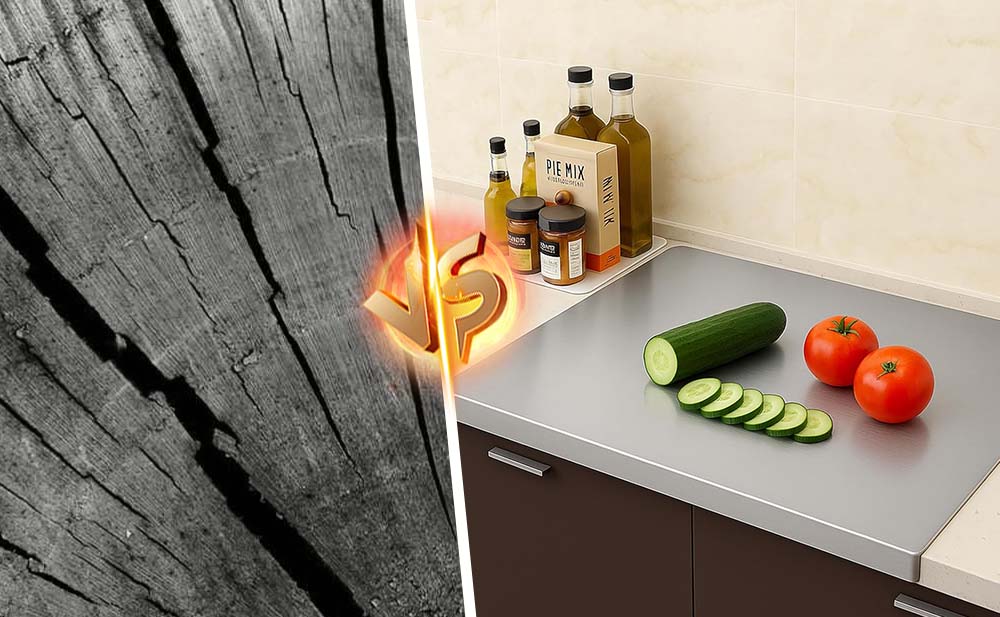
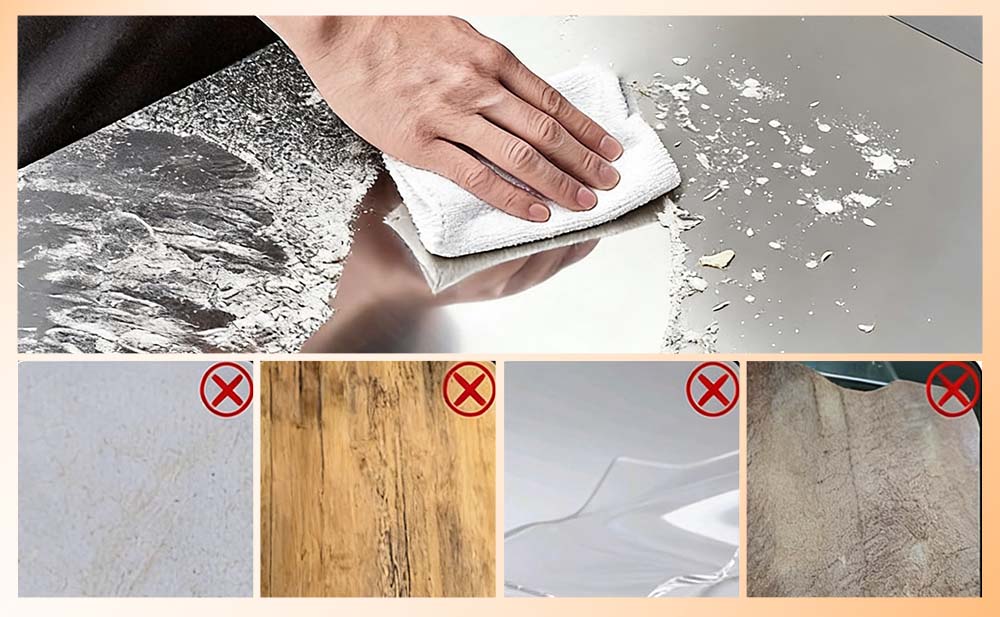
Wood is organic. It’s porous. Under a microscope, you can see thousands of microscopic tubes running through the grain—tubes that literally drink up the juices, oils, and bacteria from everything you cut.
Plastic isn’t much better. Every knife cut creates a micro-canyon—tiny grooves that become permanent homes for bacteria.
And here’s the terrifying part:
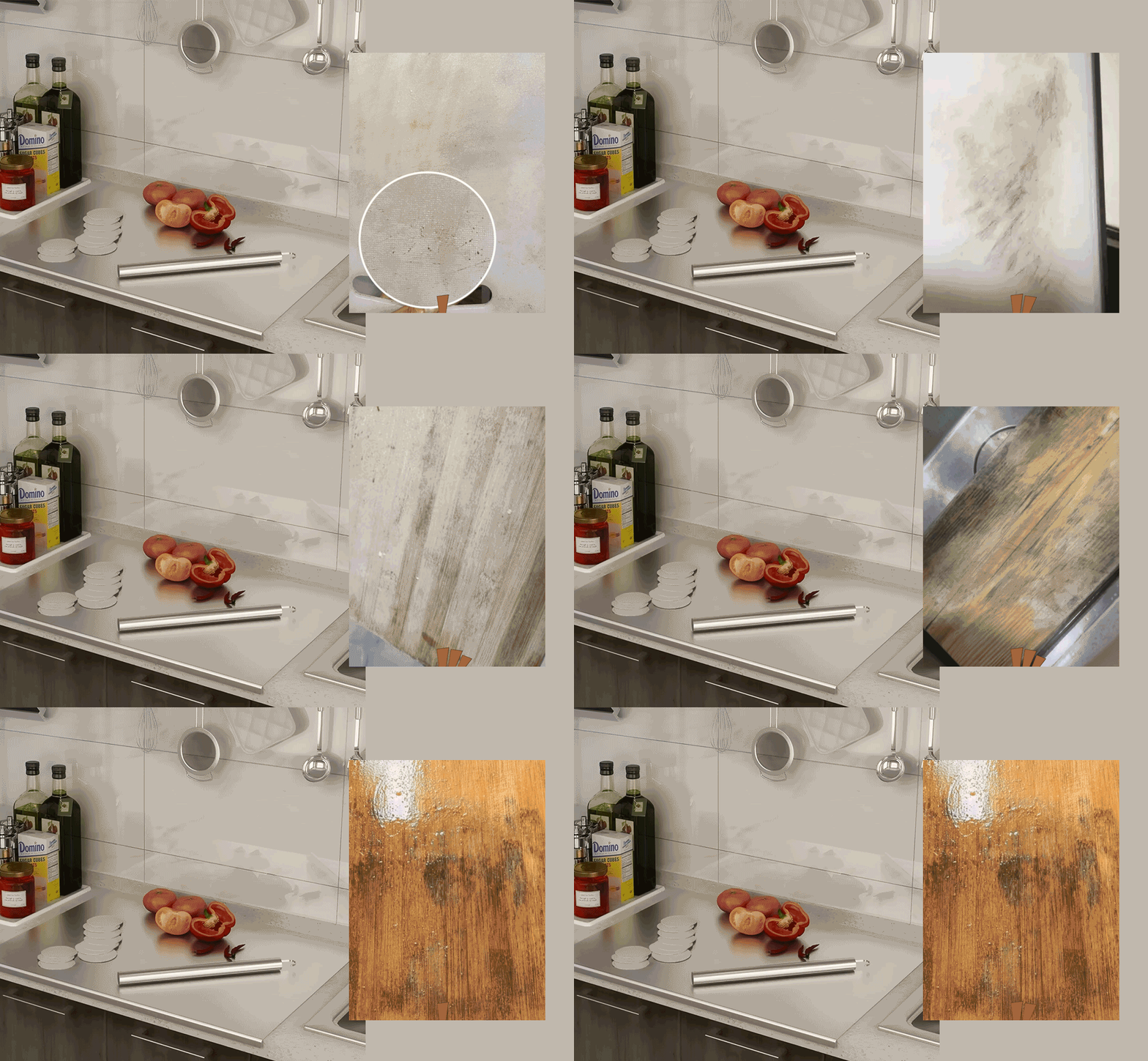
Once bacteria enter these pores or canyons, they create something called a biofilm—a protective slime layer that regular washing can’t penetrate. That’s why your board smells strange 20 minutes after you’ve “cleaned” it.
It’s not dirty on the outside. It’s rotting from the inside.
You’re essentially preparing dinner on a petri dish.
Every knife cut on plastic boards releases microscopic plastic particles that can end up in food.
Wood may seem natural and traditional, but it’s actually a porous material. Under a microscope, its grain contains tiny channels that can absorb moisture, oils, and bacteria from the food you prepare.
Plastic boards have their own issue. Every knife cut leaves small scratches that create grooves where bacteria can settle and multiply.
Over time, these hidden spaces can allow microbes to form what scientists call a biofilm — a protective layer that makes them harder to remove with regular washing.
That’s why a cutting board can sometimes develop odors even after being cleaned.
The surface might look clean, but bacteria can still remain trapped inside the material.
Three Common Kitchen Mistakes That Could Be Spreading Bacteria
Mistake #1: Thinking “Looks Clean” Means “Is Clean”
Just because a cutting board appears spotless doesn’t mean it’s free from bacteria. Research shows that microorganisms can remain hidden deep within the surface, even after washing.
Mistake #2: Constantly Replacing Your Cutting Board
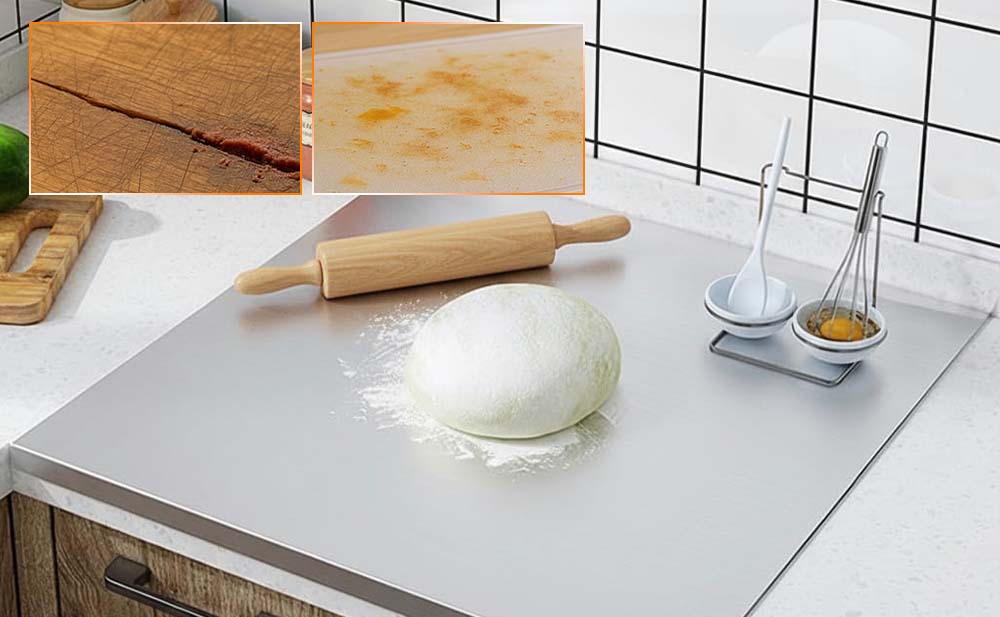
Some people believe the answer is simply buying new plastic boards every few months. The problem is that knife marks quickly create grooves where bacteria can settle — meaning the cycle starts again almost immediately.
Mistake #3: Relying on Strong Chemicals to Sanitize
Using harsh cleaners may remove bacteria from the surface, but they often can’t reach microbes trapped within the material. In addition, chemical residues can remain behind and come into contact with food later.
So the real question becomes:
Why keep using materials that are so difficult to keep truly hygienic?
The Kitchen Standard Used by Professional Chefs
If you step inside a professional kitchen — from high-end restaurants to large food preparation facilities — you’ll quickly notice a pattern.
You rarely see wooden or plastic cutting boards in use.
Instead, stainless steel surfaces are often the preferred choice.
The reason is simple: food safety standards in professional environments are extremely strict. Materials that trap moisture, food residue, or bacteria are generally avoided.
Stainless steel, on the other hand, is non-porous. It doesn’t absorb liquids and doesn’t create the same microscopic hiding places where bacteria can accumulate.
For a long time, however, stainless steel cutting boards were mostly designed for commercial kitchens — large, heavy, and expensive for everyday home use.
But recently, new designs have started making this type of material far more accessible for home kitchens.
A New Generation of Stainless Steel Cutting Boards
A kitchenware company based in the U.K. recently introduced a new solution: a high-quality stainless steel cutting board inspired by professional kitchen standards, but designed specifically for everyday home use — and at a much more accessible price than traditional commercial models.
More than just another cutting board, this surface is built to be extremely durable and hygienic. Because stainless steel is non-porous, it doesn’t absorb moisture or food residue the way many traditional materials can.
For that reason, many food safety specialists consider stainless steel one of the most reliable surfaces for food preparation in modern kitchens.
How This Cutting Board Solves the Problem
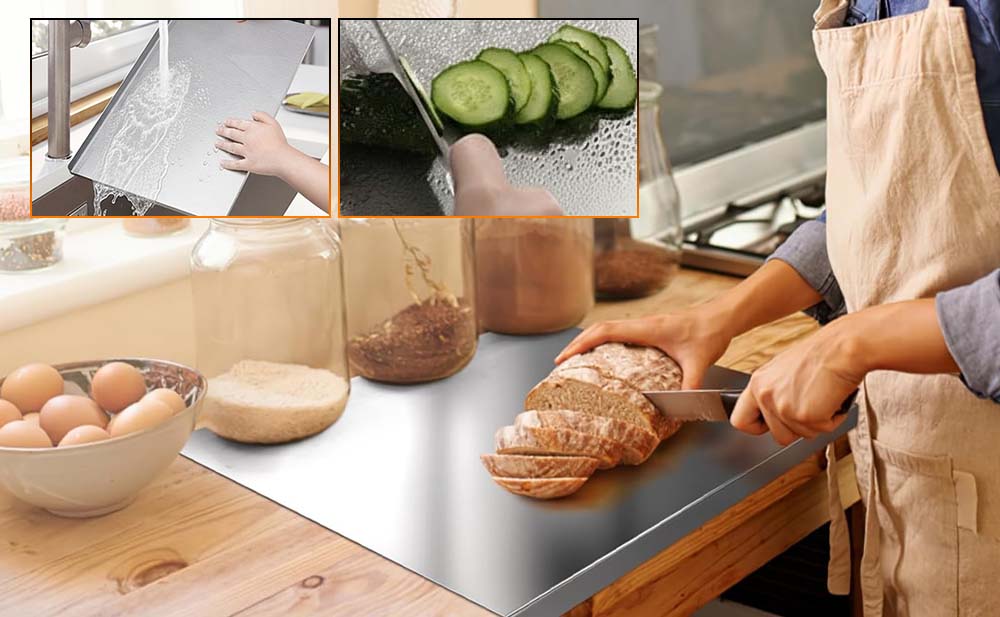
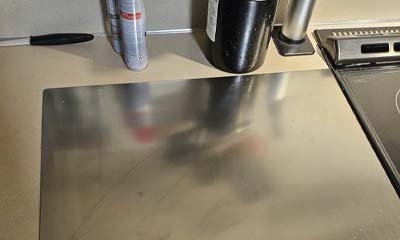
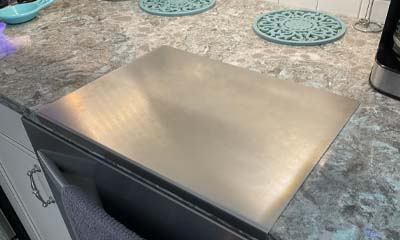
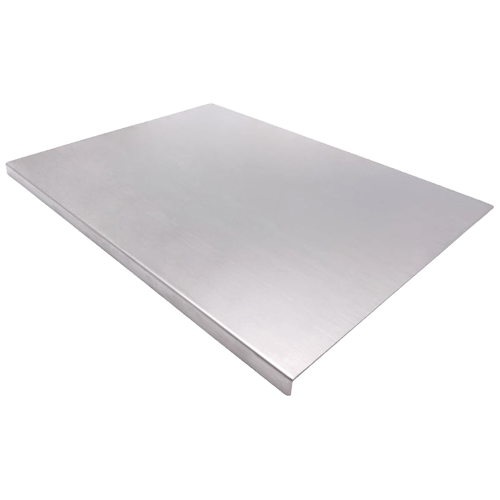
The Stainless Steel Cutting Board is made from high-grade treated stainless steel, creating a completely non-porous surface designed for safe food preparation.
In practical terms, this means:
Non-Porous Surface
Unlike wood or plastic, stainless steel doesn’t absorb liquids or develop microscopic grooves where bacteria can hide. Any residue remains on the surface, making it easy to remove with a quick rinse and wipe.
Natural Odor Neutralization
Stainless steel can help reduce strong food odors. Compounds responsible for smells like garlic, onion, or fish can bind with the chromium in the steel, helping neutralize lingering scents on the surface.
Durable and Temperature Resistant
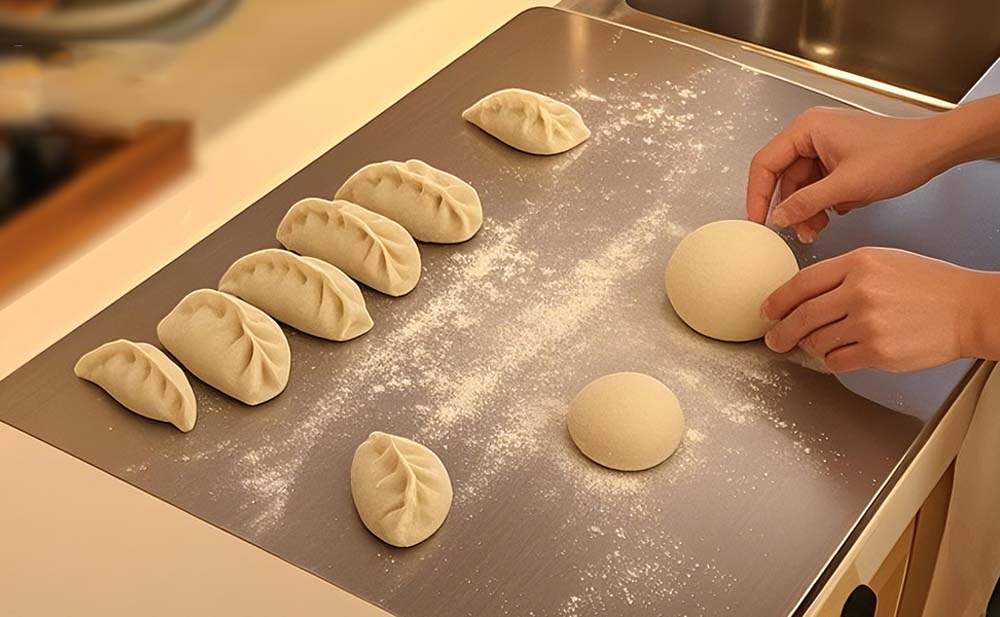
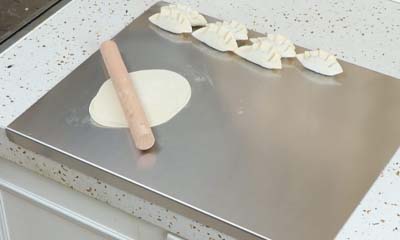
The reinforced steel construction makes the board extremely durable. It won’t warp, crack, or chip easily and can handle temperature changes in the kitchen. The metal surface can also help transfer temperature efficiently, which may assist with tasks like thawing ingredients or working with dough.
Real Feedback From Real Users
Margaret L.: “I was skeptical about cutting on metal, but this board changed everything. I used to replace my plastic boards every few months because they’d get so stained and gross. This Stainless Steel Kitchen Cutting Board? Six months later, looks brand new. I can literally see the difference when I rinse it—everything just slides off. My husband, who never notices kitchen stuff, actually commented on how good the vegetables taste now.”
David K.: “As someone who does a lot of raw meat prep (I hunt), this board is a game-changer. I used to stress about cross-contamination with my old wooden board. Now? Rinse, wipe, done. My wife loves that it doesn’t stink like my old board used to after prepping fish. Total peace of mind.”
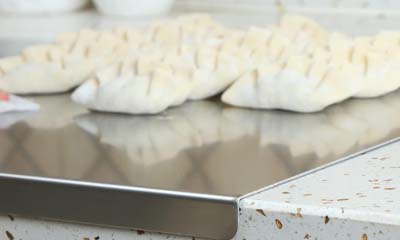
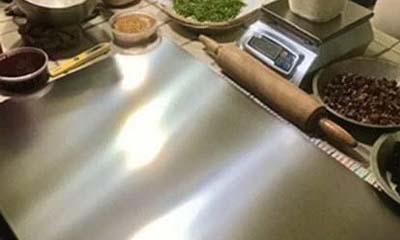
Chen F.: “I’m a pastry baker, and this board is PERFECT for dough work. The metal stays naturally cool, so my butter doesn’t melt while I’m rolling. Plus, cleanup is instant—no more scraping dried dough out of wood grain. Worth every penny.”
Why So Many Families Are Upgrading Their Cutting Boards
1. Hygienic, Non-Porous Surface
The stainless steel surface doesn’t absorb moisture or trap bacteria like traditional materials. A quick rinse is often enough to remove food residue, and it’s also dishwasher safe for easy cleaning.
2. Helps Prevent Odor and Flavor Transfer
Strong-smelling ingredients like garlic, onions, or fish won’t linger on the surface the same way they can with other materials. This helps keep flavors from transferring between foods.
3. Long-Lasting Durability
Stainless steel is highly resistant to cracking, warping, or staining. Unlike plastic or wooden boards that wear down over time, this material is designed to last for years of daily use.
4. Versatile for Different Kitchen Tasks
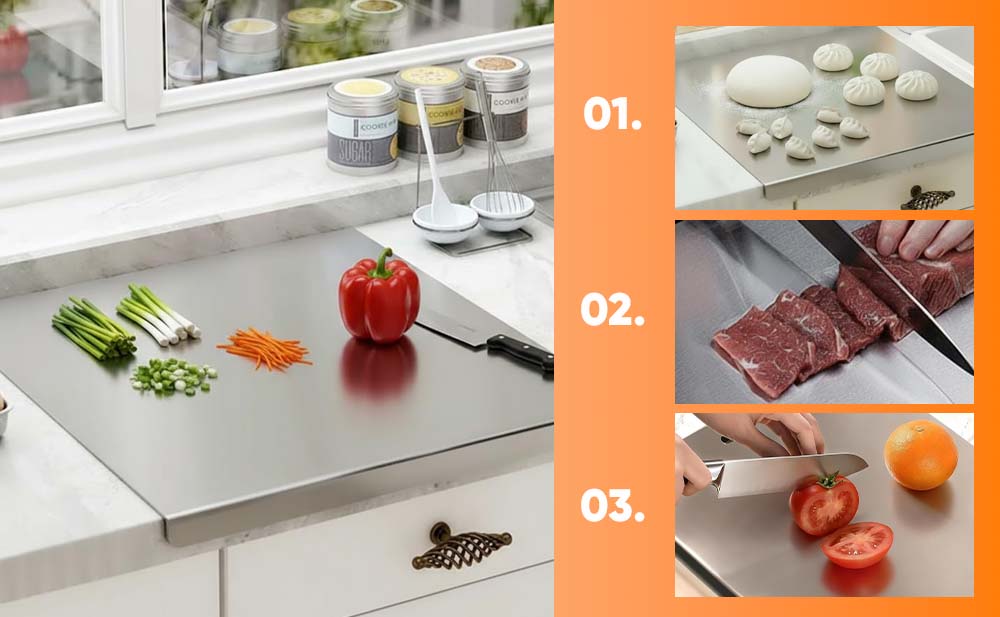
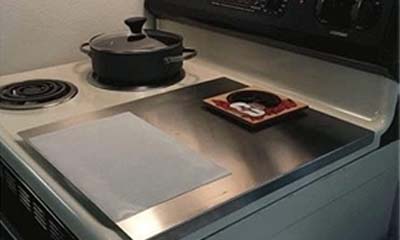
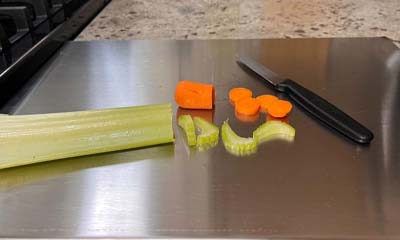
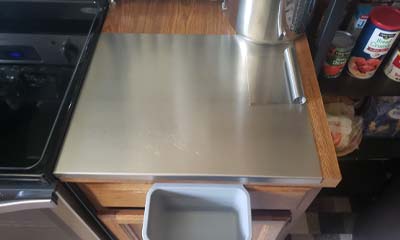
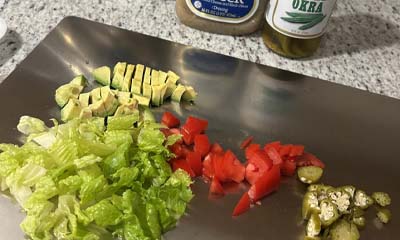
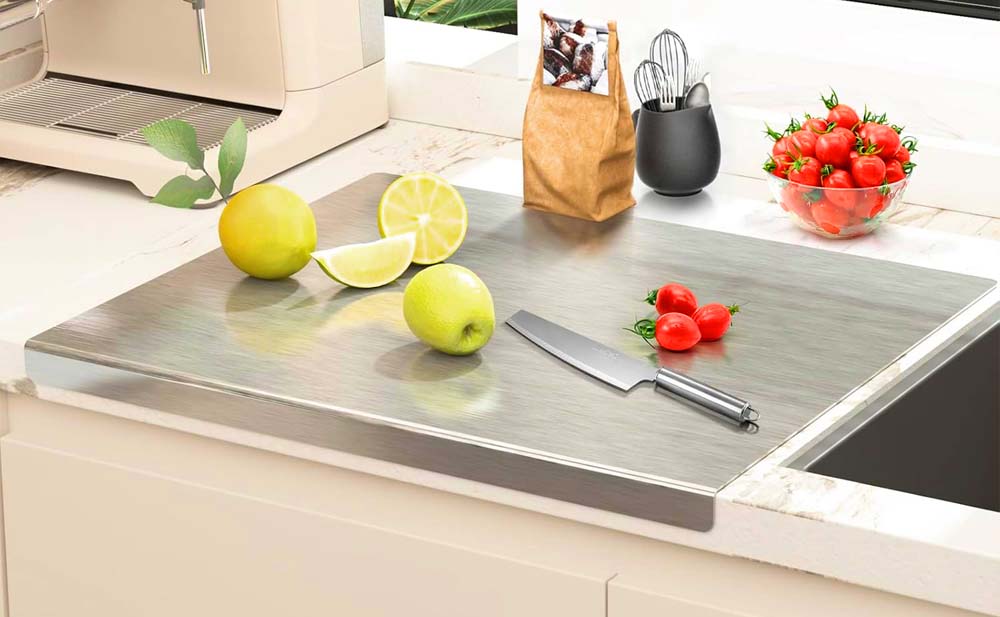
Suitable for preparing meats, chopping vegetables, working with dough, or even creating extra counter space when placed over the sink.
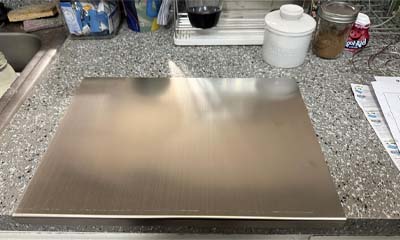
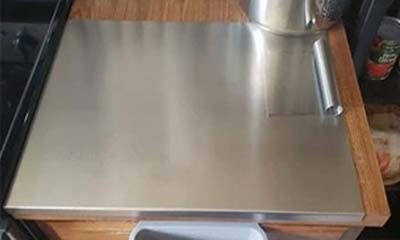
5. Knife-Friendly Brushed Surface
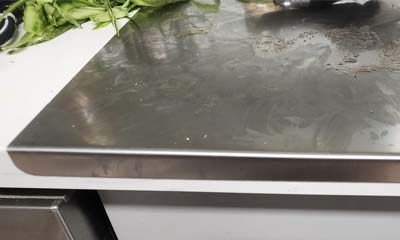
The board features a brushed finish that provides grip while cutting and helps protect knife edges. Silicone pads on the base help keep it stable during use.
6. Slim and Easy to Store
With a thin profile of just 0.15 cm, the board fits easily into drawers or cabinets, saving space compared to thicker wooden cutting boards.
How Much Is Kitchen Safety Worth to You?
Here’s something many people don’t consider:
If you buy low-cost plastic cutting boards for around $8–$12 and replace them a few times a year, the cost adds up over time.
Over the course of 10 years, that could easily total $160–$360 spent on boards that wear out and need constant replacement.
The Stainless Steel Cutting Board offers a long-lasting alternative.
Right now it’s available for $59.99 (normally $119.99, currently 50% off).
It’s a one-time purchase — no recurring replacements, no subscriptions, and no hidden fees.
Plus, it comes with a 90-day money-back guarantee. Try it in your kitchen for three months, and if you’re not satisfied, you can return it for a full refund.
One Surface for Cutting, Prepping, and Dough Work
Fed up with wooden boards that warp, trap odors, and show deep cuts after only a short time?
This stainless steel cutting and kneading board offers a cleaner, more durable surface designed for multiple kitchen tasks — from chopping vegetables to preparing dough, pastries, and everyday meals.
It's Not Just Me...
Countless Satisfied Users Say—The Stainless Steel Kitchen Cutting Board Transformed Their Lives!
We Offer a 100%
Satisfaction Guarantee...
You can try the Stainless Steel Cutting & Kneading Board completely risk-free. If it doesn’t make your kitchen prep easier, cleaner, or more convenient, simply return it for a full refund — no hassle.
We stand behind the quality of this product. Its materials and design were developed to provide a durable, hygienic surface that outperforms many traditional wooden or plastic cutting boards.
That means you take no risk at all — just a cleaner, smoother cooking experience from the very first use.
What Are You Waiting For?
Your family deserves meals prepared on a surface that’s genuinely hygienic — not one that only appears clean.
And you deserve kitchen tools that simplify your routine instead of creating extra maintenance and worry.
Many home cooks are now looking for safer, more durable alternatives to traditional cutting boards that can wear down or trap residue over time.
The Stainless Steel Cutting Board offers a professional-inspired solution, bringing a more durable and hygienic food preparation surface into everyday home kitchens.
Limited-time offer on Stainless Steel Kitchen Cutting Board happening right now!
UPDATE: As of Today
Demand for Stainless Steel Kitchen Cutting Board has surged, and inventory is flying off the shelves! Order now to get 50% OFF + FAST SHIPPING before it’s gone!
NOTE: This deal is NOT available on Amazon or eBay-only on our official website.
Frequently Asked Questions